Use case
How to Research a Market with Source-Grounded AI
Run market research with AI using a written question tree, source hierarchy, claim-level citations, contradiction logs, and explicit uncertainty.
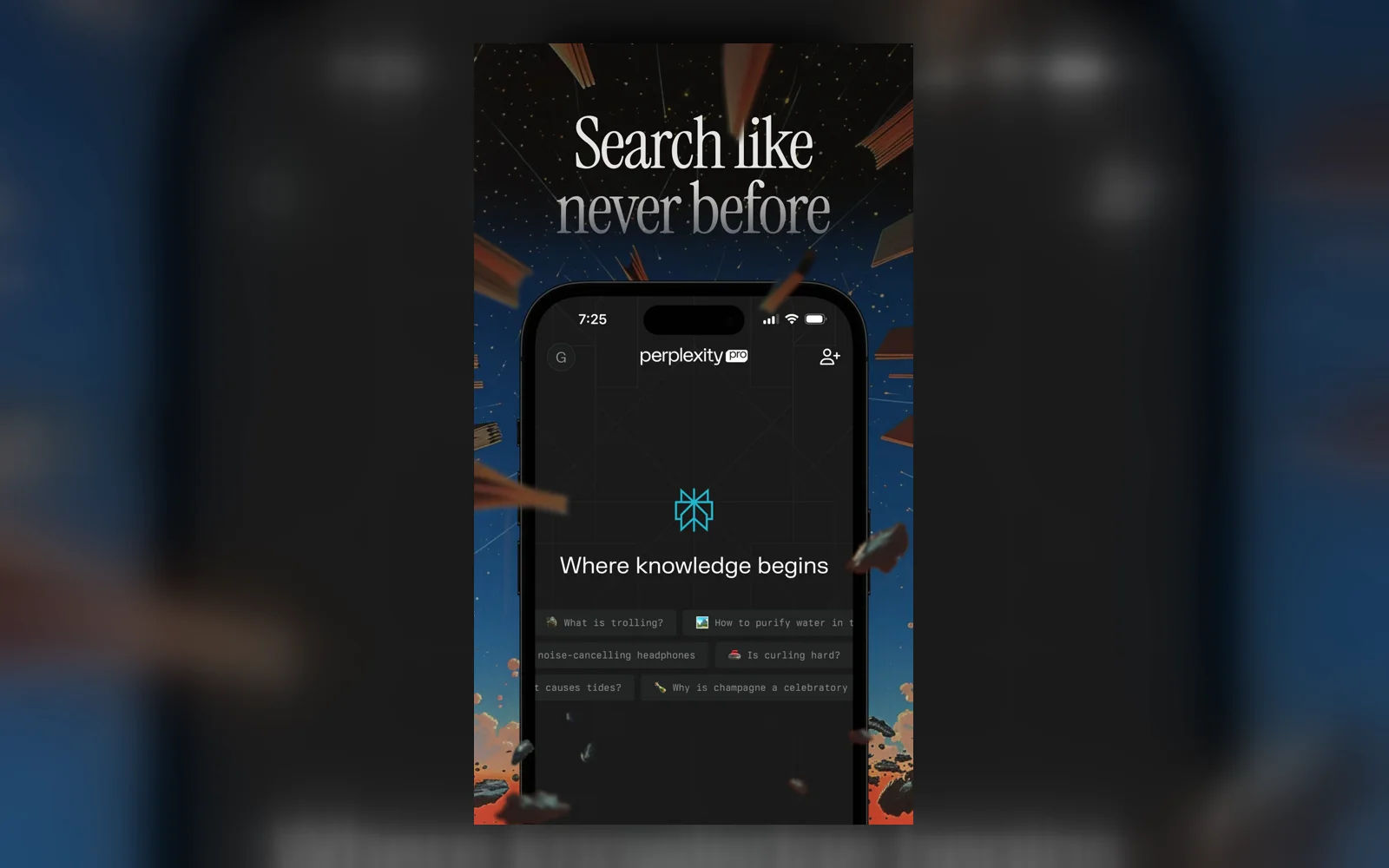
Source-grounded research is a process, not a citation-shaped answer. Search tools can discover documents and summarize them, but the researcher must verify that each source supports the sentence attached to it.
Workflow
- Write the decision, scope, geography, time window, and question tree before searching.
- Use Perplexity, ChatGPT, Gemini, or Claude for discovery. Prefer regulators, filings, company documentation, datasets, and original interviews over aggregators.
- Build a claim table with exact support, URL, publisher, publication date, event date, access date, and limitations.
- Search explicitly for disconfirming evidence and record contradictions instead of averaging them away.
- Draft the conclusion from the claim table. Mark estimates, inference, unknowns, and what would change the call.
Verification gate
Open every source used in the executive conclusion. Check units, geography, denominators, and whether an article is quoting another source. A citation can be real while failing to support the claim.
Use the general AI assistant comparison to choose a research surface, then judge the workflow by correction rate and decision traceability—not response length.
Sources & further reading




Ordered for comparison, not as a universal ranking. Inclusion requires a direct fit with this page's stated workflow.