
Tool
Outreach
Enterprise sales execution platform for sequences, rep workflows, calls, meetings, deal management, forecasting, and AI agents.
TL;DR
- Best for larger teams that need standardized prospecting and follow-up workflows.
- Covers sequences, tasks, calling, meetings, analytics, deal workflows, forecasting, and several AI agents.
- Pricing is custom and combines seat-based access with consumption-based AI workflows.
- Strong administration and process depth create a meaningful implementation curve.
- Execution quality still depends on targeting, data hygiene, copy, and deliverability.
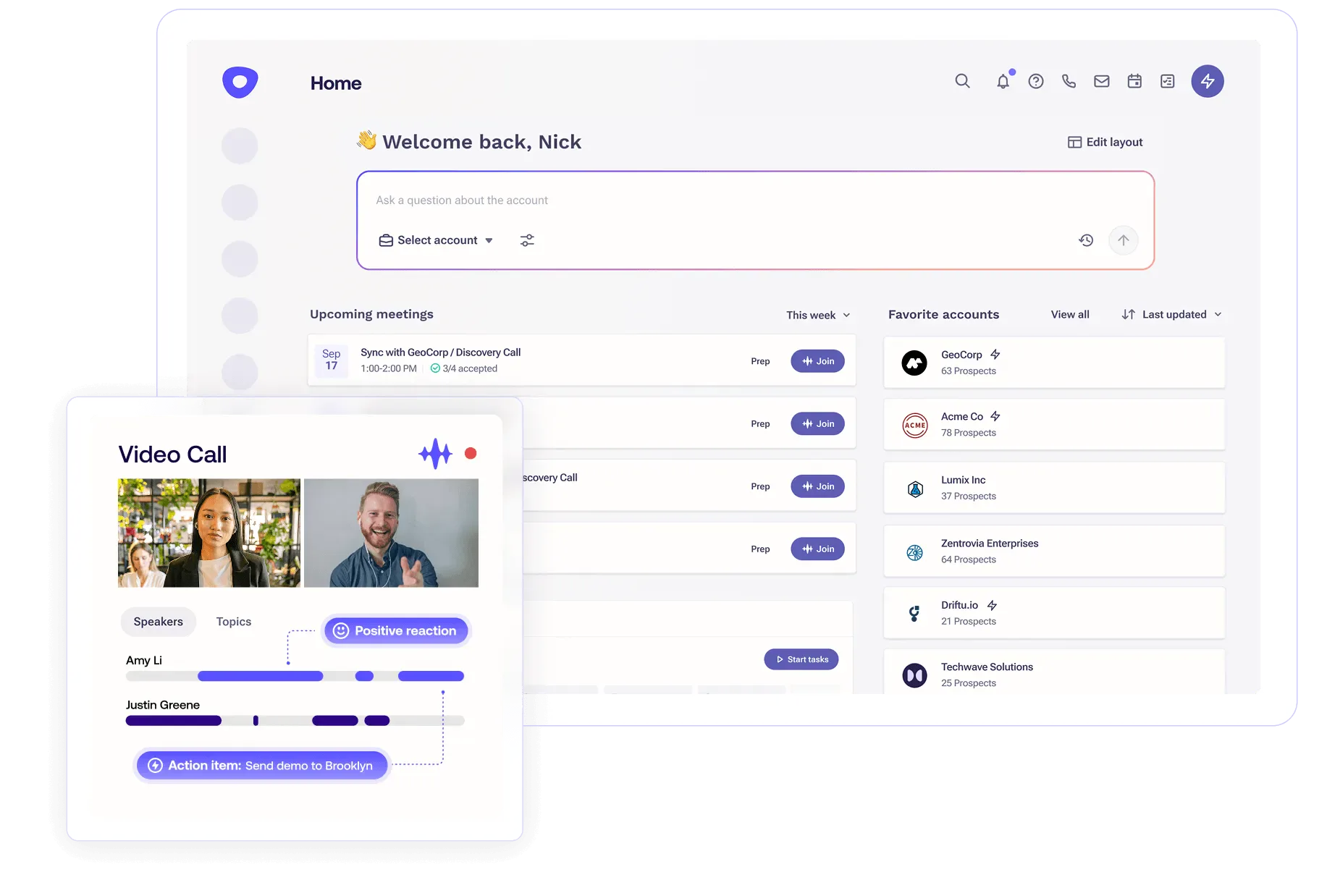
Outreach is an enterprise sales execution platform. Its core engagement product organizes sequences, calls, tasks, templates, and rep workflows, while additional capabilities cover meetings, conversation intelligence, deal management, forecasting, and AI agents.
Decision snapshot
| Question | Answer |
|---|---|
| Primary interface | Web and mobile sales workspace connected to CRM and communication tools |
| Best use | Standardizing multi-step outbound and follow-up across a managed sales team |
| AI role | Research, personalization, meeting preparation, deal support, and agentic workflows |
| Starting paid price | Custom quote |
| Main trade-off | Deep control requires careful implementation, training, and administration |
What Outreach does well
Outreach gives sales operations a structured system for how reps engage prospects. Sequences combine email, call, and task steps; templates and snippets make approved messaging reusable; analytics show execution and outcomes; and CRM integrations reduce duplicate activity logging.
Its current AI agent lineup includes research, personalization, deal, meeting-prep, and revenue workflows. These agents extend the platform beyond copy generation, but they are still operating on the organization's data, rules, and configured process. The platform is strongest when governance and repeatability matter as much as rep speed.
Where it falls short
Outreach does not publish list pricing. Its public pricing model combines seat-based platform access with consumption-based AI workflows, so a meaningful comparison needs expected seats, modules, and agent usage. Small teams may pay for operational depth they will not use.
Implementation quality matters. Poor CRM hygiene produces poor routing and personalization, while aggressive sequences can damage sender reputation. The product can standardize a good process or industrialize a bad one. Teams should begin with a small number of tested workflows rather than enabling every automation at launch.
What users report
In a 2026 r/sales discussion, one long-time user said:
“Used it as an IC for the last 5 years, and at this point would be pissed if management tried to implement another sales engagement platform.”
Other users in the same thread called it powerful but complicated, disagreed on its sequencing and call-recording quality, and repeatedly stressed that results depend on cadence quality. That disagreement argues for a workflow pilot with actual reps rather than a feature checklist run only by management.
Bottom line
Choose Outreach when a sales organization needs governed engagement workflows, analytics, and growing agent support across a serious CRM process. Choose a lighter sequencer when the team values quick setup, transparent pricing, and individual flexibility over centralized control.
Sources & further reading



Appears in