Use case
AI Coding Agents for Issue-to-PR Workflows (2026)
A practical issue-to-pull-request workflow for delegating bounded engineering tasks to coding agents while preserving tests, review, security, and ownership.
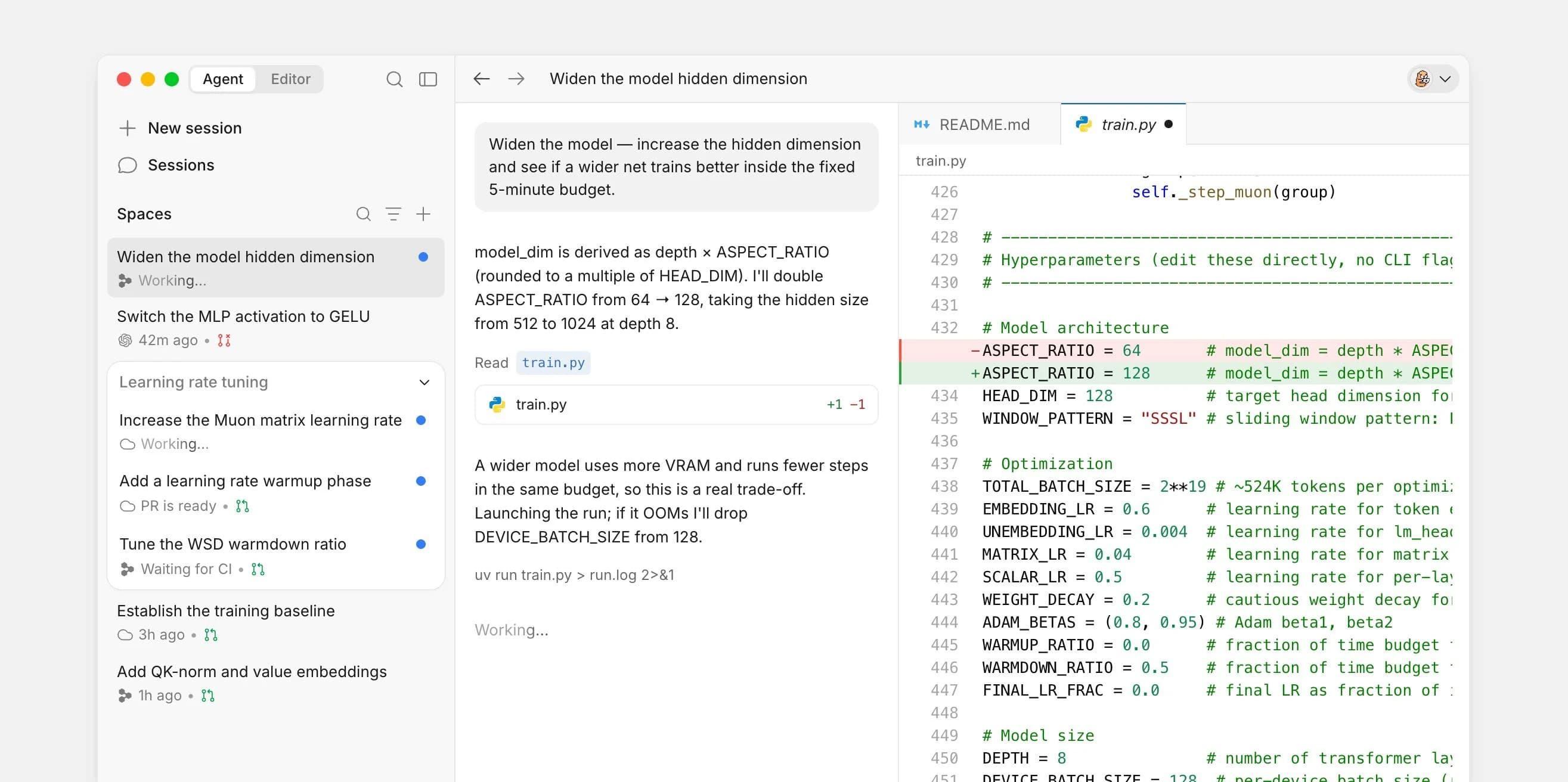
An issue-to-PR agent should not be judged by whether it can produce a diff. The useful question is whether it can turn a well-chosen issue into a small, test-backed pull request that another engineer can understand and safely merge.
The workflow succeeds when selection, environment, evidence, and review are designed together. Throwing the whole backlog at an agent only converts vague tickets into expensive review queues.
Use the 2026 AI coding-agent shortlist to compare products. This guide focuses on the repository process that makes delegated pull requests reviewable.
Which issues belong in the queue
Start with work that is bounded and cheap to verify:
- a reproducible bug with a failing test;
- a narrow UI change with reference states;
- dependency or framework updates with existing coverage;
- mechanical refactors with static checks;
- documentation tied to current code;
- test coverage for known behavior.
Hold architecture changes, ambiguous product work, security-sensitive flows, data migrations without rollback, and incidents requiring live judgment. A task can be technically small but context-heavy; those are poor delegation candidates.
Devin, Factory Droids, GitHub Copilot coding agent, and OpenAI Codex all fit some form of delegated repository work. GitHub Copilot has the most direct native issue-assignment path inside GitHub. Devin emphasizes asynchronous cloud workspaces and parallel backlog tasks. Factory positions Droids and Missions around larger delegated engineering work. Codex supports parallel cloud tasks and GitHub review workflows while also offering local, CLI, and app surfaces.
1. Turn the issue into an executable contract
The issue needs more than a title. Include:
| Section | What the agent needs |
|---|---|
| Problem | Current behavior, expected behavior, user impact |
| Scope | Files or subsystem likely involved; explicit non-goals |
| Reproduction | Inputs, environment, logs, screenshots, failing command |
| Constraints | APIs to preserve, style rules, dependency policy, security boundaries |
| Acceptance | Observable checks that prove completion |
| Verification | Exact lint, typecheck, test, build, or browser steps |
Link the source of truth rather than pasting stale fragments. If requirements are undecided, ask a human to decide them before delegation.
Devin’s own prompting guide recommends a “What, How, Result” structure and explicit behaviors to test. That advice is tool-independent. An agent forced to infer “done” will optimize for producing code, not necessarily solving the issue.
2. Prepare a reproducible workspace
Give the agent a clean branch or isolated worktree, pinned dependencies, setup commands, test credentials with least privilege, and repository-local instructions. Document commands in AGENTS.md, README, or the platform’s supported instruction file so they are versioned with the code.
Never provide production secrets when a fixture or sandbox credential will do. Restrict repository, network, package-publish, infrastructure, and deployment permissions. Treat issue text and linked pages as untrusted input; they can contain instructions that conflict with repository policy.
Run the setup once without making a code change. If the base branch cannot install, build, and test, the agent cannot distinguish its regression from an existing failure. Capture known baseline failures in the issue.
3. Require a plan for anything nontrivial
For changes spanning multiple components, have the agent identify likely files, interfaces, risks, and verification before editing. A human should intervene if the plan expands scope, changes public behavior, introduces a dependency, or proposes bypassing a failing test.
Keep the task small enough for one coherent PR. Split “upgrade the framework, redesign auth, and fix the dashboard” into independent issues with explicit ordering. Smaller diffs reduce both agent drift and reviewer fatigue.
GitHub Copilot’s issue workflow loads the issue context and opens a PR when finished. Devin provides an embedded IDE where a developer can take over. Those interfaces differ, but the control point is the same: inspect direction before the agent spends a long run implementing the wrong interpretation.
4. Make verification part of the deliverable
Require the agent to run the relevant test, type, lint, and build commands and report the exact results. For a bug, ask for a regression test that fails before the fix and passes after it. For UI work, require a focused interaction check and screenshots where they clarify behavior.
The PR description should contain:
- cause or implementation rationale;
- files and behavior changed;
- commands run with results;
- known limitations and untested paths;
- migration or rollback notes when relevant;
- links back to the issue and any evidence artifact.
Logs are evidence, not proof. Review whether the chosen tests cover the changed behavior and whether warnings were ignored. An agent can truthfully say “tests pass” while running the wrong subset.
5. Review agent PRs like untrusted contributions
Require CI and normal branch protections. A human reviewer should inspect the diff, generated tests, dependency changes, permissions, error handling, and impact outside the stated scope. Do not allow the same agent to author, approve, and merge its own change.
GitHub’s documentation is explicit that Copilot pull requests need the same thorough review as any contribution. Ask for revisions through PR comments, but verify each follow-up did not undo earlier behavior. Run secret scanning, dependency checks, and static analysis independently of the agent session.
A Reddit user who had tried several coding agents summarized the durable constraint as “Garbage in, garbage out is still applicable.” The point is not that agents are useless; it is that clean requirements and repository structure compound their value.
6. Close the loop with operational data
Track more than PR count. Useful measures include acceptance without major rewrite, human review time, escaped defects, CI reruns, time from assignment to ready-for-review, and agent cost per merged change. Compare against similar human-owned tickets, not the entire backlog.
Label why a task failed: environment, missing context, ambiguous requirement, tool limitation, excessive scope, or incorrect implementation. Feed recurring environment and context failures back into repository instructions. Stop delegating task classes that repeatedly cost more review time than they save.
Failure modes to simulate
Give a pilot agent an issue with a missing acceptance criterion and confirm it asks rather than guessing. Make one test flaky and see whether it hides, retries, or explains it. Include a tempting but disallowed dependency. Put unrelated uncommitted changes in the workspace. Add a malicious instruction inside fixture data. Break access to one external service.
The safe outcome is a bounded stop with an actionable explanation. Silent workarounds—skipping tests, weakening assertions, hardcoding secrets, or widening permissions—should fail review automatically.
A sensible rollout
Begin with one repository, one agent, and ten low-risk issues. Require plans and full human review. After the team understands failure patterns, allow parallel tasks while keeping per-repository concurrency low enough to avoid overlapping diffs.
Expand only if accepted PRs reduce total engineering time after review. The goal is not an impressive number of autonomous sessions. It is a boring queue of small, auditable changes that arrive with enough evidence for a human to make the merge decision quickly.
Sources & further reading




Ordered for comparison, not as a universal ranking. Inclusion requires a direct fit with this page's stated workflow.